Friday, May 31, 2013

Hues


The central hues are the visible color spectrum in their most basic form.  They read very brightly to our eyes.
You won’t often see these colors in the base pieces of men’s wardrobes (the “canvas” clothes we talked about in A Man’s Guide to Combining Colors).  They’re too bright and eye-catching for most situations.  Where you will see them is in the accent pieces of a man who wants to stand out without being ostentatious about it.  A vivid red pocket square or boutonniere on a muted gray suit is a classic way to use a splash of bright hue.

Related article:
http://mansuits-suits.blogspot.com/2013/05/bespoke-suits-in -wild-has-become-habit.html
 http://bespokesuits123.blogspot.com/2013/05/how-to-fold- suits-and-shirts-in-suitcase.html
 http://matthewaperry.blogspot.com/2013/05/the-effects-of- clothing-on-cognitive.html
 http://ausuit.blogspot.com/2013/05/mini-white-pinstripe-black-three -piece.html

Wednesday, May 22, 2013

Cotton Fiber Properties


Absorbency and Cotton Fabric
Moisture absorbency is what makes cotton so comfortable in hot weather.
It absorbs the moisture from your skin allowing it to evaporate by passing through the fabric, thus allowing your body to regulate your temperature. This combined with the spun yarns ability to hold the fabric slightly off the skin allows greater comfort than other fabrics in hot conditions.
Heat Conduction and Cotton Fabric
Heat passes freely through cotton; combining this property along with the absorbency characteristic above, you have an unbeatable fiber for making hot weather wearing fabric. However, in cold weather, this strength is a weakness; typicallycotton jackets are not good at retaining the body’s heat.
Resiliency and Cotton Fabric
Fabrics made from cotton tend to wrinkle and do not hold their shape well. This problem can be addressed by specially treating the fabric or blending it with a man made fiber, but you lose a bit of its other properties such as durability and heat conduction by doing so.
Durability and Cotton Fabric
Cotton is very durable, especially when compared with other clothing fibers such as wool or mohair.
In fact, when wet it increases in strength by 30%; thus throwing 100% cotton shirts in the washing machine may mean a lot of ironing, but you can be sure the fabric will remain intact. It can be washed with strong detergents, and the only thing you may want to watch out for is it losing some of its color (thus the case for hand washing).
Cotton’s molecular structure resists heat damage, so ironing is a great way to get the fabric looking crisp; a quick tip – shirts respond best to ironing when they come immediately out of the dryer still a bit damp and warm.
Cotton does have some durability issues though, especially when exposed to acids and bases. Use bleach sparingly as that it weakens the cellulosic fibers of cotton. Cotton fabric should be stored clean and dry to protect from mildew, which digests cellulose and can cause holes if too much time elapses. Cotton fabric is also sensitive to acids, thus a fruit juice stain on your dress shirt should be treated immediately and not left to sit for days.
Men Clothing online shop: http://www.matthewaperry.com/

Tuesday, May 21, 2013

Custom Made Tailcoats for Weddings and Events

We make custom tailcoats.
Classic 1930s, Edwardian, Steampunk, a bit retro, a bit modern.
Tophat and tailcoat
Just let us know what you are looking for and we will start sketching and putting fabrics together.
Our complete suits are muslin fit.  Pale Grey Wedding Tailcoat This means that we mail you a mock-up of the pieces sewn in cotton so that you can try them on before we make the final garments.
You send us a pic of yourself wearing the muslins and we alter the patterns to get just the right fit and look.Tailcoat Wedding Picture
The pics show some of our most recent outfits.
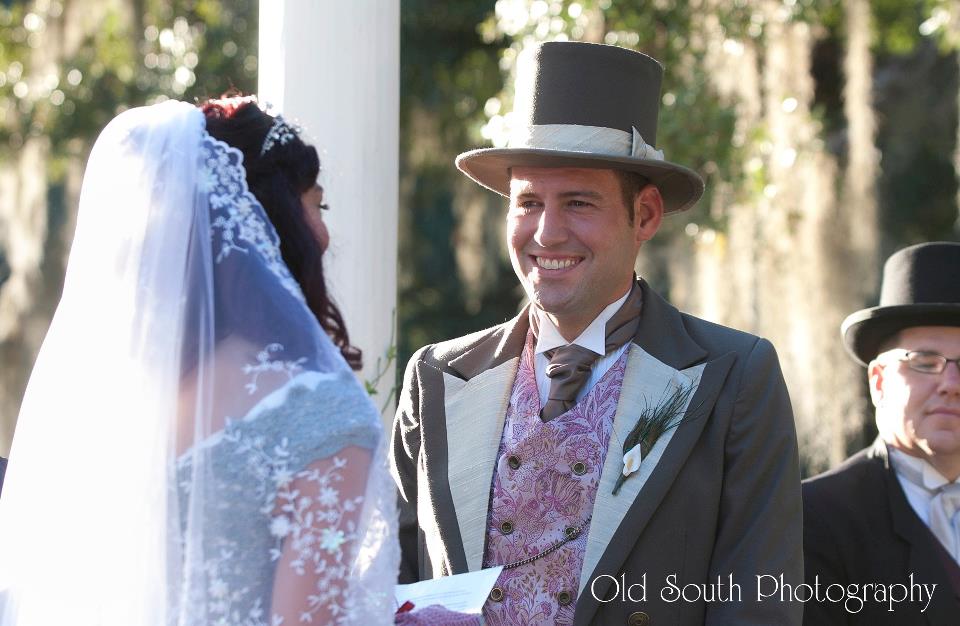
Wedding in Gray TailsThe pictures of the elephant grey tailcoat show a complete outfit that we made.  White Tie Attire
The tailcoat is a classic open front style with silk shantung lapels that add a beautiful sheen to the look.
Classic Retro Wedding TailsThe vest is double-breasted and made from a silk brocade to coordinate with the wedding dress and the hat is a completely handsewn wool and silk buckram and wire frame piece that we made.
Classic White Tie TailcoatEach piece is uniquely designed and individually made-to-measure.
This means that we can design something exactly in your style with all of the right details to match the look you are going for.
Pique Vest TailcoatThe pants are made without a front crease for a slim Victorian look.
Edwardian Tailcoat
The black tailcoats show two different versions of our classic open front tailcoats.
Vintage WeddingOne was made for a 1930s style wedding.
This tailcoat has a pointed hem and wide lapels made from gorgeous silk grosgrain.
It is shown with a handmade backless white cotton pique vest, a bibbed detachable collar white pique shirt, and bowtie.
Chocolate Brown TailcoatThe other black tailcoat has smaller peak lapels, also made from silk grosgrain, and a straight cut hem for a look that is both Edwardian and very modern.
The chocolate brown tailcoat is cut from a wool gabardine with wide grosgrain lapels, also in chocolate, brass buttons, and a silk duppioni lining.Fishtail Pants
The pants are in a Victorian style with a fishtail and back belt.
The grey pinstripe military tailcoat was made for a steampunk wedding.
1790s Military TailcoatIt is cut from a gorgeous wool flannel and shown with a matching Wellington style top hat.
We also made the boy’s vests and pants that are shown in the wedding pictures.Military tails
The navy blue tailcoat (shown with a seersucker vest) shows another version of our popular military tails.
We can do many types of military tailcoats.
So just contact us if you would like to see more ideas in this vein.
The final pics show a black lambskin tailcoat with embossed cuffs and side laces.
Leather TailcoatIf you are thinking about ordering a tailcoat or complete ensemble, just contact us (aj@denverbespoke.com) so that we can talk about your project and start getting together fabrics to mail to you.
If you aren’t sure quite which details you like, just tell us a bit about yourself and the events that you will attend and we will start sketching.

Steampunk Tailcoats

Monday, May 20, 2013

How Sharp to Dress?

Not every industry is a suit-and-tie industry!  Trying to look like a top exec when you’re a skilled programmer is likely to cause people looking for programmers to pass you by — thinking that you’re a hiring manager rather than a worker!
So as you prepare for your conference or trade show, be thinking about your goals and the situation you’re going to be going into.  Focus on four basic fundamentals:
  • Industry and Type of Conference
  • City and Country
  • Climate and Activity Schedule
  • Your Position and Goals

Industry and Type of Conference
Think of your industry in broad strokes:  is it conservative?  Trendy?  Way out on the exotic fringe?
You want to fit into at least the broadest possible characterization you can think of.  No matter how sharply turned-out it makes you look, a suit and tie is going to look out of place at most gardening and landscaping seminars or dog training exhibitions.  Give a nod to reality before pulling out all the stops on your wardrobe.
The type of conference you’re attending is also relevant — a half-day seminar followed by a dinner event means social dress, while several full days of panels and talks would call for a more formal business standard of dress.  Neckties up until dinner is a good rule of thumb in most business climates, while evening outfits should be a little more relaxed.
City and Country
While the conference guests set much of the tone, it’s worth remembering that every hotel or convention center is a product of its environment.  The staff and the other guests will play a part in how you look as part of the crowd.
American settings are, generally speaking, less formal than equivalent events in Western European or South Asian countries, although large cities are an exception.  Within America you can safely expect New York and the east coast in general to be the most fashion-conscious sites.  Since everyone there will be well-dressed, it behooves you to wear your business attire plus a touch or two of fashion — a pocket square or an interesting cut of coat, say.
Large convention centers in other American cities tend to be by and large indistinguishable, in terms of fashion environment.  Dress neatly and well within the boundaries of your profession and try to avoid seeming too much of a dandy.  Good style is already eye-catching — you don’t need to be ostentatious on top of it, particularly in Middle America (I love you Iowa).
Be prepared to meet outside - even if you're deciding the fate of the free world.
Climate and Activity Schedule
Your basic hotel setting is climate-controlled — sort of a no-brainer.  Long sleeves and a jacket will usually be fine, though the jacket may need to be light, particularly in the winter when indoor temperatures are raised.
If the conference moves beyond the hotel, however, or takes place at a compound of multiple buildings, be sure to take exterior temperatures into account.  A good suit loses its appeal very quickly when the wearer is sweating and flushed.  Even if 98% of your time is spent in a hotel you’ll need to prepare differently for Las Vegas in June than you would for Boston in February.
How active you plan on being is also extremely relevant — some clothes are comfortable to sit in for hours and others are very definitely not.  Your conference clothes should always fit well enough that you can both move from place to place briskly in them and sit for several hours if needed.
If the schedule includes multiple events over a long day, a change of underclothes or even shirt and jacket may be worth bringing.  A quick change of undershirt at a convenient lunch break doesn’t seem like it would make any visible difference, but you’d be surprised how much better a man who can sit comfortably looks that someone who’s fidgeting with his clothes.
Can you spot the lost tourist? What about the busy business exec?
Your Position and Goals
The key question in all of this:  what are you trying to accomplish at the conference?
Most people will usually fall into one of two basic categories:  shopping for people or selling themselves.  Broad terms, but they’re basically applicable whether you’re interested in hiring workers, landing a job, or just building useful contacts that can help you achieve long-term goals.
Dress to represent yourself as what you need:  an employer, a potential employee, or just a savvy figure in your industry.  Hiring managers may want more of a “power” look with navy blazers and bright ties, job-seekers will need to look traditional and respectable in conservative colors and patterns, and self-promoting experts can always use a few original touches in their outfit.
The key to remember here is that all of these people are always, always, always selling themselves.  Even a well-placed man who likes where he is in life can always benefit from looking like the right guy to talk to.

Sunday, May 19, 2013

My Personal Style


Like anything worth doing, dressing well takes some effort and time. I didn’t build my wardrobe by buying a bunch of expensive clothes all at once; I did it by being very selective and watching sales.
I’ve built my business/formal wardrobe up slowly over the last few years. Before that I mainly wore the t-shirts, hoodies and sweat pants that a lot of younger people favor. I still like hoodies and sweat pants for their convenience, but they are rarely seen outside my house.
men suits
Spending my day in a wheelchair has created some obstacles in my pursuit to dressing well. These obstacles include my neck size, the braces I wear on my feet, dressing difficulties, and the whole issue of look vs. functionality.
Proper Shirt Fit – Neck
Like some men my neck size does not fit my body type. For the top button on a dress shirt to fit the shirt measurement needs to be at least 17.5-18 inches, but most of these shirts are extra-large or extra-tall.
Even with a couple extra pounds I have a smaller body type and there’s no getting around the fact that I’m pretty short. Some of these extra-large shirts go down to my knees and almost look like a dress. When I tuck them into my pants I end up sitting on half of the shirt — not the most comfortable fit in the world.
I also found that these extra-large shirts were way too wide. I could gain 50 pounds and they would still fit my chest. I’ve since switched to “Slim Fit” (also sometimes just called “Fitted” shirts), and I recommend them for anyone that doesn’t have a broad chest. Even if you’re just a normal, athletic build most dress shirts are cut loose enough that you’d benefit from a slimmer fit.
Dress Shoe Fit
Another obstacle that I face is most dress shoes don’t fit with the braces that I wear on my feet and ankles. These braces are made of hard plastic and increase my shoe size by about 2 sizes. Because of the shape of the braces the only type of shoes that work are soft skateboarding shoes. Day to day I can look pretty good around the time in skateboarding shoes, but they don’t go over well in a boardroom.
My solution was to purchase a high-quality pair of skateboarding shoes that were entirely black with black laces. I keep them set aside for business occasions and make sure they stay dark and clean so that they can fit in with everyone else’s black leather oxfords.
If you’re someone else that has trouble finding shoes that fit and prefers to wear soft cloth shoes most of the time, my advice is: spend the money for one pair of comfortable dress shoes and set them aside for business and formal occasions only. If you can’t wear leather because it’s too stiff look for an all-black or all-brown cloth shoe with matching laces, sole, and stitching so you’re not drawing attention to your shoes.

Friday, May 17, 2013

Understand Denim Cut & Style

Jean Styles: What All Those Words Mean
The numbers are the easy part. Most men can measure their waist and inseam (or try on pants until they find the measurements that work for them). It’s figuring out the difference between all the styles and cuts offered by retailers that gets confusing.
Let’s dive right in, shall we?

Slim/Regular/Relaxed Fits
“Fit,” in jeans, refers to the seat and thigh. It’s easy to confuse “slim fit” with “skinny leg,” but they’re not the same thing at all. Fit is talking about your butt and your thighs.
The breakdown is about what you’d expect:
loose-cut
A Loose Cut – Fine for larger men but can swallow anyone else.
Slim Fit jeans have the least fabric in the rear panels, and the thigh openings are narrower than the regular fit. They’re designed to hug your body. These are good for guys with tight butts who want to show their figure off, and uncomfortable and unsightly on most everyone else.
Regular Fit jeans are what most of us wear. The exact measurement varies a bit from brand to brand, but they’re made to fit like traditional blue jeans: resting lightly against the buttocks in the back, with a bit of wiggle room in the crotch. Unless you’re packing some extra weight in the butt or thighs, this is probably the fit you want.
Relaxed Fit adds fabric in the back and extends the rise a little, as well as expanding the leg openings. We tend to associate them with overweight men, but they’re just as useful for men with “footballer butt” — strong glutes and thighs paired with narrower waists and calves. A lot of athletes end up needing relaxed-fit jeans.
Understand that these aren’t very scientific terms. Each brand has their own in-house stylists, with their own idea of what a “normal” person’s butt and thighs look like.
But you can generally use some common sense and self-awareness to figure out what you need. If you’ve got a great butt and you don’t mind a little restricted movement, go for the slim fit. If you’re packing some extra weight in the rear and thighs, go relaxed. And everyone else will probably be comfortable in regular fits.

Thursday, May 16, 2013

Caring for Waxed Cotton


The treatment that gives waxed cotton its breathable waterproofing is a natural one — it will decay over time. Fortunately, it’s also one that’s easy to restore, unlike a synthetic shell with a chemical treatment.
Re-waxing a cotton jacket can be done at home, or most manufacturers offer a restoring service in-house. The process is fairly simple — softly-heated wax is rubbed into the jacket with a cloth, then allowed to sink in for several hours. The jacket is than gently warmed itself, which lets the wax spread evenly throughout its fibers.
In day-to-day use, the fabric is tough and relatively low-maintenance. If left damp and wadded it can mildew, but hung to dry it largely takes care of itself, apart from the occasional re-waxing.
Important – DO NOT dry clean these jackets.  Use cool water and clean with a wet rag.  Again – do not use harsh chemical cleaners.
One jacket can last a lifetime or more, properly treated — and, unlike a synthetic shell, a rip can be patched, waxed, and incorporated into the jacket like new.